Table of Contents
- Why Spray Painting uPVC Doors Transforms Your Home
- How Long Does uPVC Spray Paint Last on Doors
- The uPVC Spraying Cost Guide: Investment vs Replacement
- Professional uPVC Spraying vs DIY: What Makes the Difference
- The Three-Step Spraying Process Explained
- Common Concerns About Spray Painting uPVC Doors
- Is Spray Painting Your uPVC Doors Right for You
- Frequently Asked Questions
Last Updated: October 4, 2026
Why Spray Painting uPVC Doors Transforms Your Home
Spray painting uPVC doors offers homeowners a cost-effective way to refresh their property without undertaking a full replacement. At Astral Coatings Ltd., we help property owners across Sussex discover that a professional spray finish can restore tired-looking doors to a factory-fresh appearance. The transformation goes beyond aesthetics, a quality spray coating provides durable protection against the elements whilst delivering the high-end finish that comes from professional application.
Unlike traditional painting methods, spray application ensures even coverage across complex door profiles and hard-to-reach areas. This technique eliminates brush marks and creates a smooth, uniform finish that looks considerably more polished than DIY attempts. The process also means minimal disruption to your household.
Many homeowners hesitate at first, unsure whether spray painting actually delivers lasting results. The answer depends entirely on proper preparation and technique, which is precisely where professional expertise makes the difference. A well-executed spray finish can protect your doors for years whilst maintaining that fresh appearance throughout.
How Long Does uPVC Spray Paint Last on Doors
A professionally applied spray coating typically lasts between 10 to 15 years on exterior uPVC doors, depending on exposure conditions and maintenance. Doors facing harsh weather, salt spray near coastal areas, intense UV exposure, or frequent temperature fluctuations, may see the finish fade or require touch-ups sooner than doors in more sheltered positions.
The longevity of your spray finish depends on three critical factors. First, surface preparation determines whether the coating bonds properly to the uPVC. Inadequate cleaning or priming means the paint may peel or chip within months. Second, coating thickness matters significantly. A single thin coat looks good initially but won’t provide lasting protection. Professional application applies multiple layers at optimal thickness to ensure durability. Third, the quality of materials used directly impacts how long the finish remains intact.
One common mistake homeowners make is assuming all spray finishes are equivalent. Budget-conscious approaches often skip proper primer or use low-grade topcoats, resulting in premature failure. Professional providers like Astral Coatings Ltd. use specification-grade materials designed specifically for uPVC, which bond properly and resist weathering far more effectively than generic paints.
Maintenance extends the life of your spray finish considerably. Regular cleaning with mild soap and water prevents dirt accumulation that can degrade the coating. Avoiding harsh chemicals and abrasive materials protects the paint surface. Most well-maintained spray finishes on uPVC doors remain in excellent condition for 10 to 15 years.
The uPVC Spraying Cost Guide: Investment vs Replacement
Spray painting uPVC doors costs significantly less than replacement, though the exact investment depends on the number of doors, their condition, and local labour rates. Rather than stating specific figures, which vary considerably based on your individual circumstances, we recommend contacting Astral Coatings Ltd. directly for a personalised quote. Our team can assess your doors and provide accurate pricing once we understand the full scope of work required.
The cost comparison becomes immediately apparent when you consider what replacement involves. New uPVC doors require removal of existing frames, disposal, installation, and potential structural adjustments. Spray painting, by contrast, happens very quickly, with minimal impact on your daily routine.
Beyond the direct cost savings, spray painting preserves your existing door hardware, locks, and frames. Replacement means purchasing entirely new components, which adds considerably to the total expense. If your doors function properly but simply look tired, spray painting delivers the aesthetic refresh you want without unnecessary replacement costs.
The real value of spray painting lies in the return on investment. A refreshed door improves your home’s kerb appeal, which matters when you eventually sell. Buyers perceive professionally finished doors as well-maintained, which can positively influence their perception of the entire property. For homeowners not planning to sell soon, the benefit is purely aesthetic, but that matters too, as you live with your front door every single day.
Professional uPVC Spraying vs DIY: What Makes the Difference
The difference between professional and DIY spray painting comes down to preparation, technique, and equipment. DIY attempts often fail not because the concept is flawed, but because homeowners underestimate the complexity involved. Surface preparation alone, cleaning, sanding, priming, determines whether paint adheres properly or peels within months. Most DIY projects skip critical steps to save time, resulting in disappointing results.
Professional spray painters have invested in industrial-grade equipment that delivers consistent, fine atomisation. Consumer-grade spray cans and budget equipment cannot replicate this level of control. The result is visible immediately: professional finishes look smooth and uniform, whilst DIY efforts often show visible texture, runs, or uneven coverage. This difference isn’t subtle, it’s immediately apparent to anyone viewing your doors.
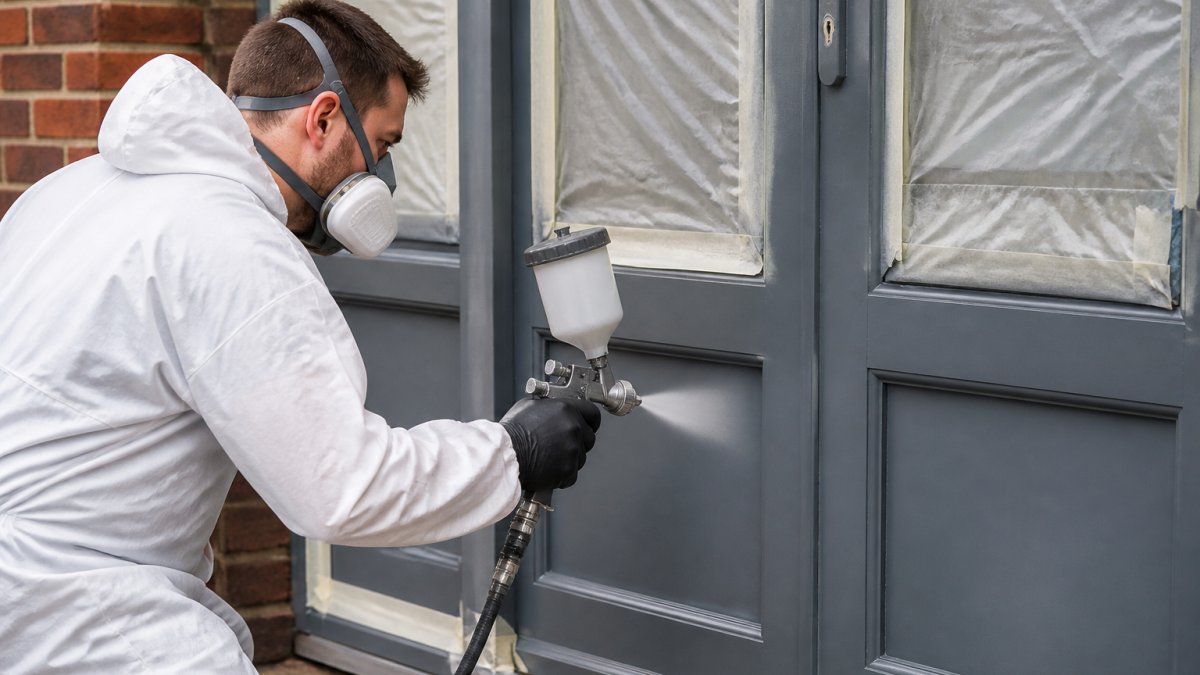
Protecting surrounding surfaces during spraying requires systematic approach and experience. Spray mist travels further than most people expect, potentially coating windows, walls, and landscaping. Professional teams use dust sheets, masking tape, and containment systems to ensure only your doors receive paint. DIY sprayers often discover too late that overspray has damaged nearby surfaces, leading to additional cleanup or repair costs.
The three-step spraying process that Astral Coatings Ltd. employs demonstrates how professional methodology differs from casual approaches. Proper priming creates a base layer that ensures paint adhesion. Intermediate coats build protection and colour depth. Final topcoats deliver the finish quality and weatherproofing that determines how long your doors look fresh. Skipping or rushing any step compromises the entire result.
The Three-Step Spraying Process Explained
Professional spray painting of uPVC doors follows a methodical three-step process designed to ensure optimal adhesion, coverage, and durability. Understanding this process explains why professional results outlast DIY attempts and why the investment in proper technique pays dividends.
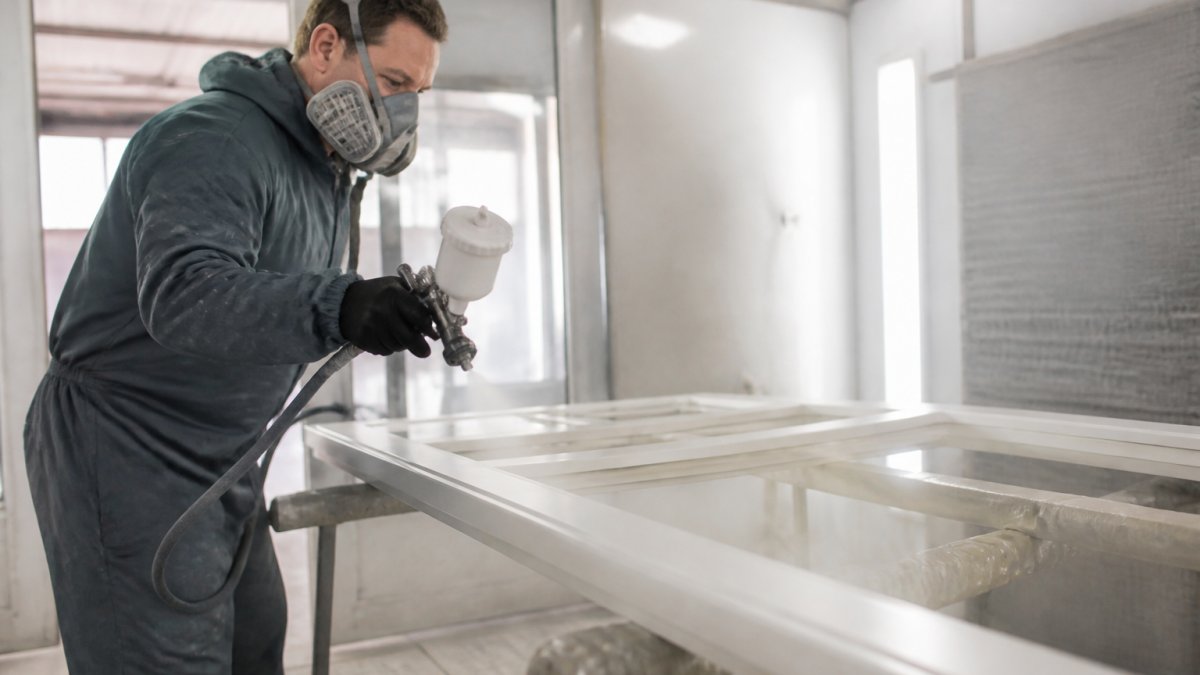
The first step involves thorough surface preparation. Your doors are cleaned to remove dirt, dust, and oxidised material that would prevent paint adhesion. Any damaged areas are identified and addressed. A primer coat is then applied, which creates a chemical bond between the uPVC and subsequent paint layers. This step cannot be rushed, inadequate priming is the primary reason DIY spray jobs fail prematurely.
The second step applies the base colour coat. This layer establishes the finish colour and begins building the protective barrier. Professional application ensures even coverage across all surfaces, including the recessed areas of door profiles that brush painting struggles to reach effectively. The spray method deposits paint uniformly, creating consistent colour depth across the entire door.
The final step applies a protective topcoat that provides weatherproofing and UV protection. This layer shields the colour coat from fading and protects against moisture penetration. The topcoat determines how long your doors maintain their fresh appearance when exposed to sun, rain, and temperature changes. Quality matters substantially at this stage, specification-grade topcoats resist degradation far more effectively than budget alternatives.
Each step requires proper drying time between applications. Rushing this process compromises the bond between layers and reduces overall durability.
Common Concerns About Spray Painting uPVC Doors
Homeowners frequently ask whether spray painting actually works on weathered uPVC or whether the process will damage surrounding surfaces. These concerns are legitimate, understanding what’s realistic helps you make an informed decision.
The question of whether spray painting works on worn doors has a straightforward answer: yes, provided the underlying uPVC is structurally sound. Fading and discolouration don’t prevent successful spray painting. However, doors with significant cracking, warping, or structural damage may not be suitable candidates. A professional assessment can determine whether your specific doors will benefit from spraying or whether replacement makes more sense.
Surface protection during spraying is a legitimate concern, particularly if you have expensive landscaping or vehicles nearby. Professional teams use systematic masking and containment to prevent overspray. Dust sheets, plastic sheeting, and careful technique ensure that only your doors receive paint. This protection is standard practice for professional providers like Astral Coatings Ltd., not an optional extra.
Another common question involves disruption to your household. Unlike renovation work that might involve weeks of noise and dust, spray painting typically requires only a day or two. Your doors will be unusable whilst wet, but drying happens quickly. Drying happens quickly.
Some homeowners worry about whether spray paint will match existing colours if they only paint doors and not surrounding trim. A skilled professional can advise on colour coordination and help you choose shades that complement your home’s existing palette. If colour matching is important, discuss this during your initial consultation.
Is Spray Painting Your uPVC Doors Right for You
Spray painting suits homeowners who want to refresh their property’s appearance without major expense or disruption. If your doors are functionally sound but visually tired, spraying delivers excellent results. If you’re planning to sell your property soon, a refreshed front door improves kerb appeal and buyer perception without requiring capital expenditure on full replacement.
Spray painting is less suitable if your doors have structural problems, warping, broken seals, or locks that no longer function properly. In these cases, replacement addresses the underlying issues rather than simply masking them cosmetically. Similarly, if you’re planning a comprehensive renovation that involves replacing windows and other exterior elements, coordinating the entire project might be more efficient than spraying doors alone.
The decision ultimately depends on your specific situation. Budget-conscious homeowners benefit significantly from spray painting, as the cost savings compared to replacement are substantial. Property owners seeking quick aesthetic improvements find that spray painting delivers results in days rather than weeks. Those concerned about household disruption appreciate that professional spraying minimises impact on daily life.
For homeowners in the Sussex area considering whether spray painting makes sense for their property, we recommend consulting with professionals who can assess your doors and discuss your goals. At Astral Coatings Ltd., we guide property owners through this decision, helping them understand whether spray painting or replacement better suits their circumstances. Our experience across interior and exterior spray finishing means we can evaluate your doors and recommend the approach that delivers the best outcome for your investment.
Refreshing tired uPVC doors needn’t mean accepting dated aesthetics or committing to expensive replacement projects. Spray painting offers homeowners a practical alternative that delivers professional results without the cost and disruption of full renovation. At Astral Coatings Ltd., we specialise in transforming worn doors through our meticulous three-step spraying process, which ensures optimal coating thickness and durable weatherproof finishes that protect your investment. Our team, trained at the Dulux Academy and Llewellyns of Brighton, understands the specific requirements of uPVC spraying and applies that expertise to every project. Contact us on WhatsApp to discuss your door refresh and discover how professional spray finishing can restore your home’s appearance.
Frequently Asked Questions
How long does spray painted uPVC actually last on doors?
Professional spray painting on uPVC doors typically lasts 10-15 years with proper maintenance, depending on exposure to weather and sun. A three-step process, which includes surface preparation, primer application, and topcoat, ensures optimal coating thickness for durability. Regular cleaning and avoiding harsh chemicals extend the lifespan significantly.
Is it cheaper to spray paint uPVC doors or replace them entirely?
Spray painting costs considerably less than replacement, typically a fraction of the price for new doors. Exact pricing depends on door size, condition, and finish complexity, so contact for a tailored quote. Replacement involves purchasing new frames and installation labour, all substantially more expensive. Spraying offers a cost-effective way to refresh your doors’ appearance without the disruption of removal and reinstallation.
Will spray painting my uPVC doors damage my kitchen worktops and appliances?
Protective coverings shield worktops, appliances, and fixtures from overspray. The process requires minimal household disruption, making it ideal for those working from home or with busy schedules.
Can spray painting work on old, weathered uPVC doors?
Yes, professional spraying works on weathered frames provided they’re structurally sound. The preparation stage removes dirt, oxidation, and surface degradation, restoring the door to a factory-fresh appearance. However, severely damaged frames with cracks or rot may require replacement instead. A professional assessment determines whether your specific doors are suitable for spraying or if replacement is more appropriate.